THE REGION, UP CLOSE
A landscape with more than one story.
Our regional lens: West Tennessee, between the Mississippi and Tennessee rivers.
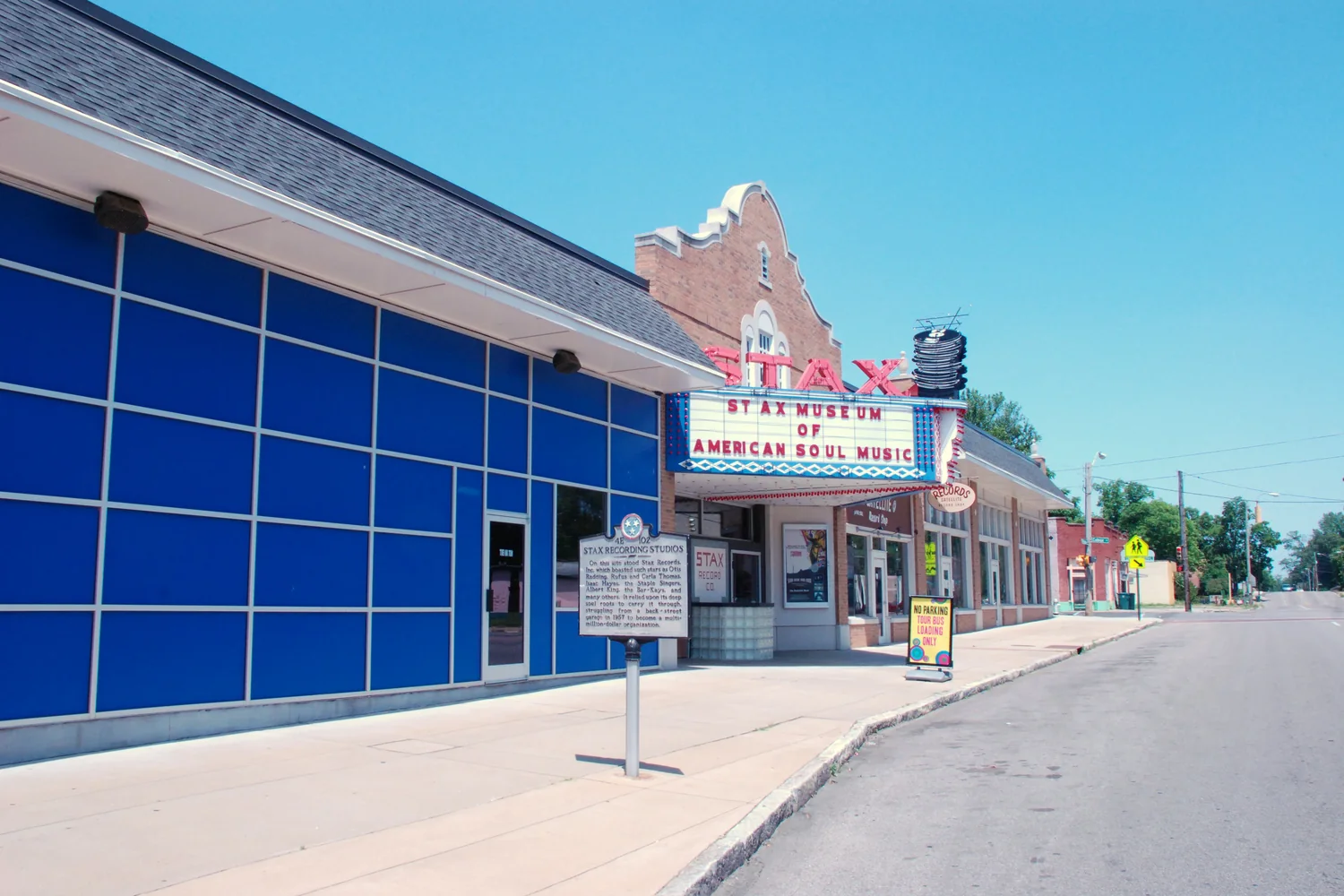
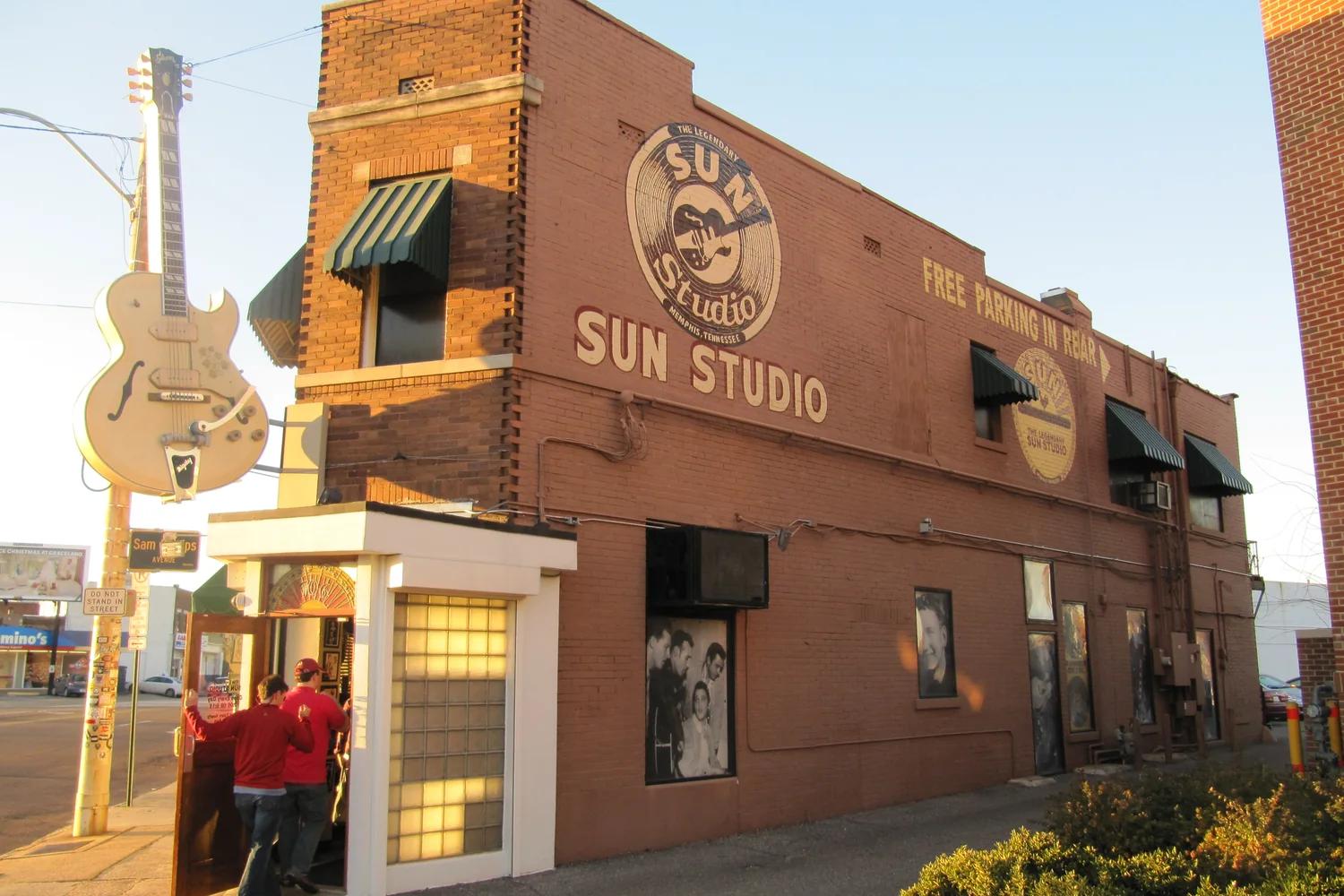
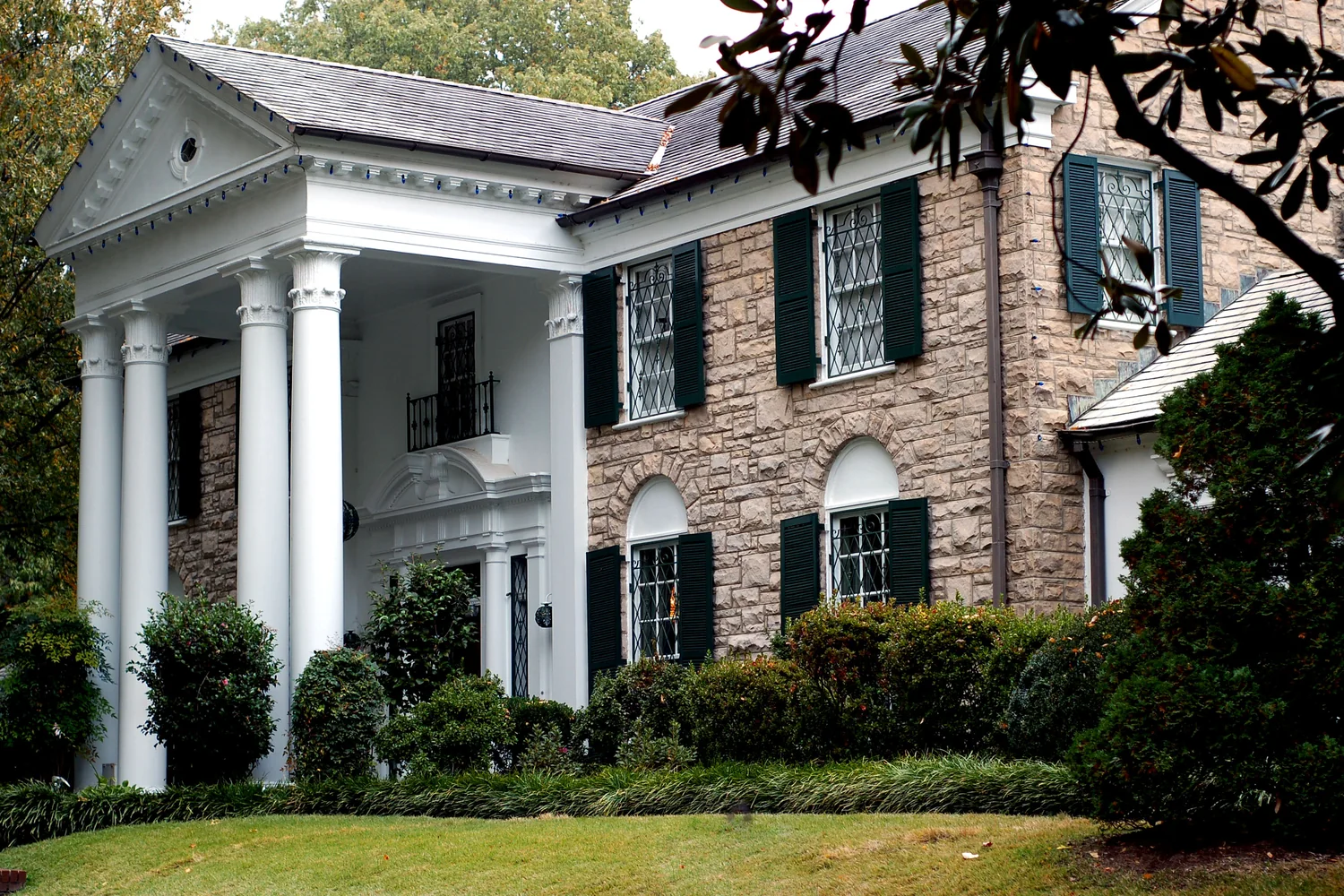
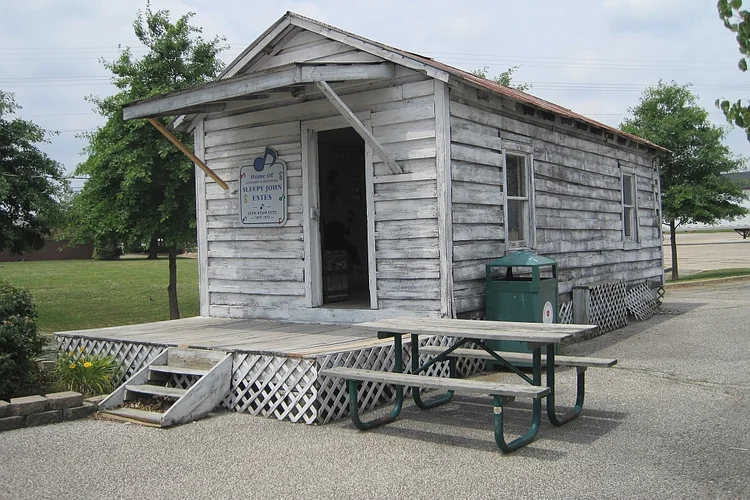
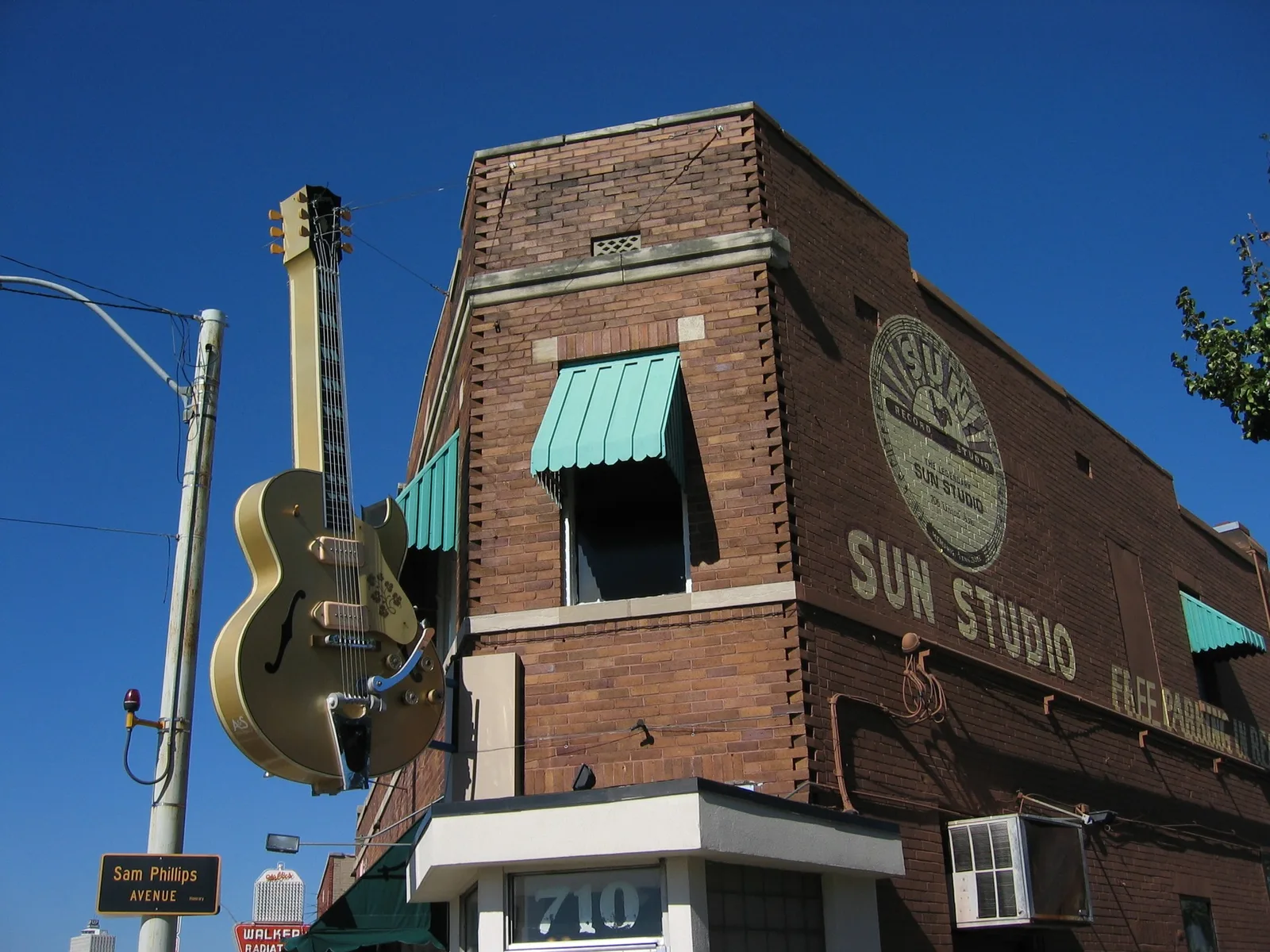
In Memphis, the music trail is most rewarding when each stop keeps its own identity. Sun Studio connects blues, gospel, country and early rock and roll in a compact recording space. The Stax Museum traces soul through church traditions, studio craft and a remarkable catalog of recordings. Graceland brings the scale back to one life, showing the home and career of Elvis Presley. Beyond Memphis, Brownsville's West Tennessee Delta Heritage Center places Tina Turner's childhood school and Sleepy John Estes's home within a wider regional account.
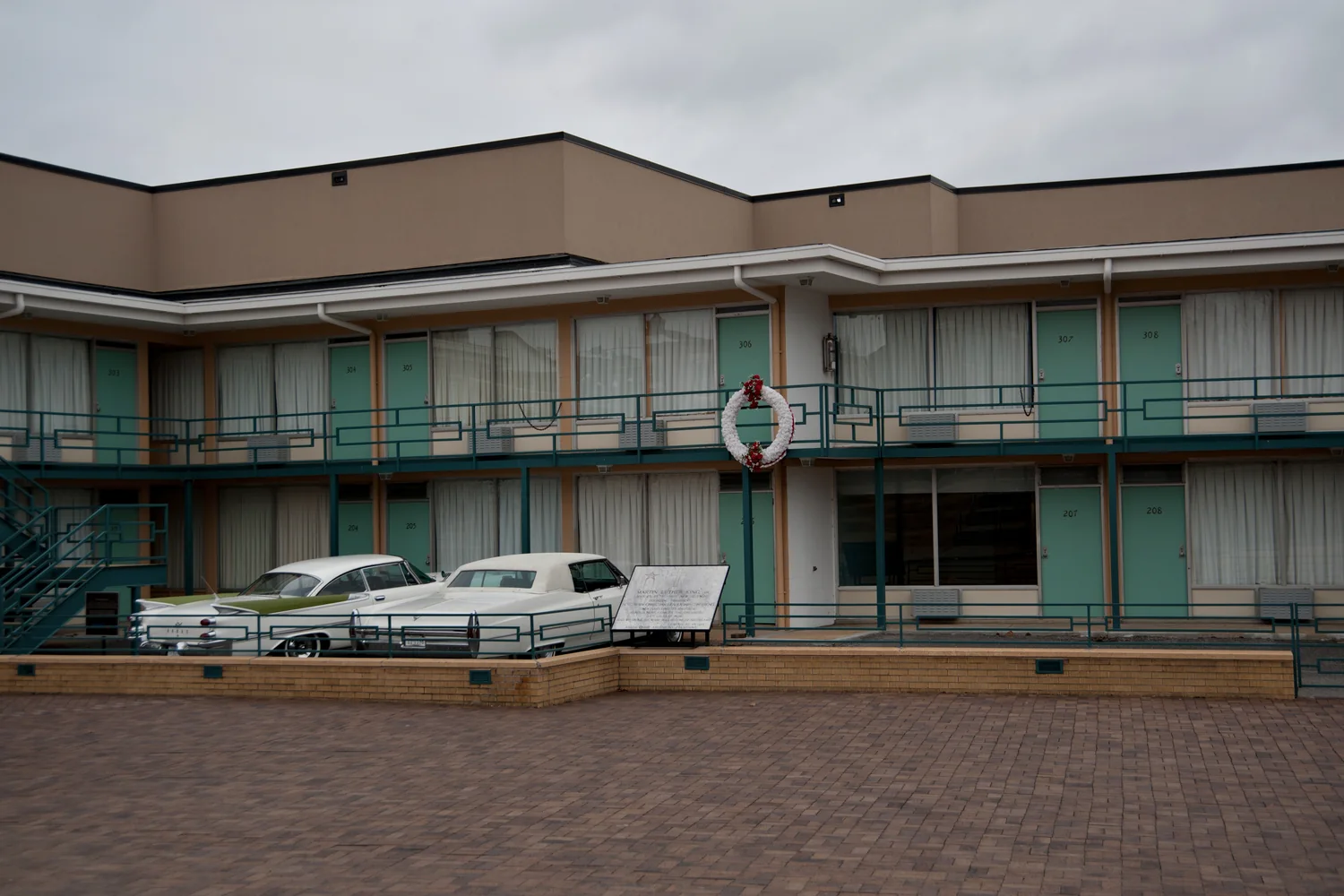
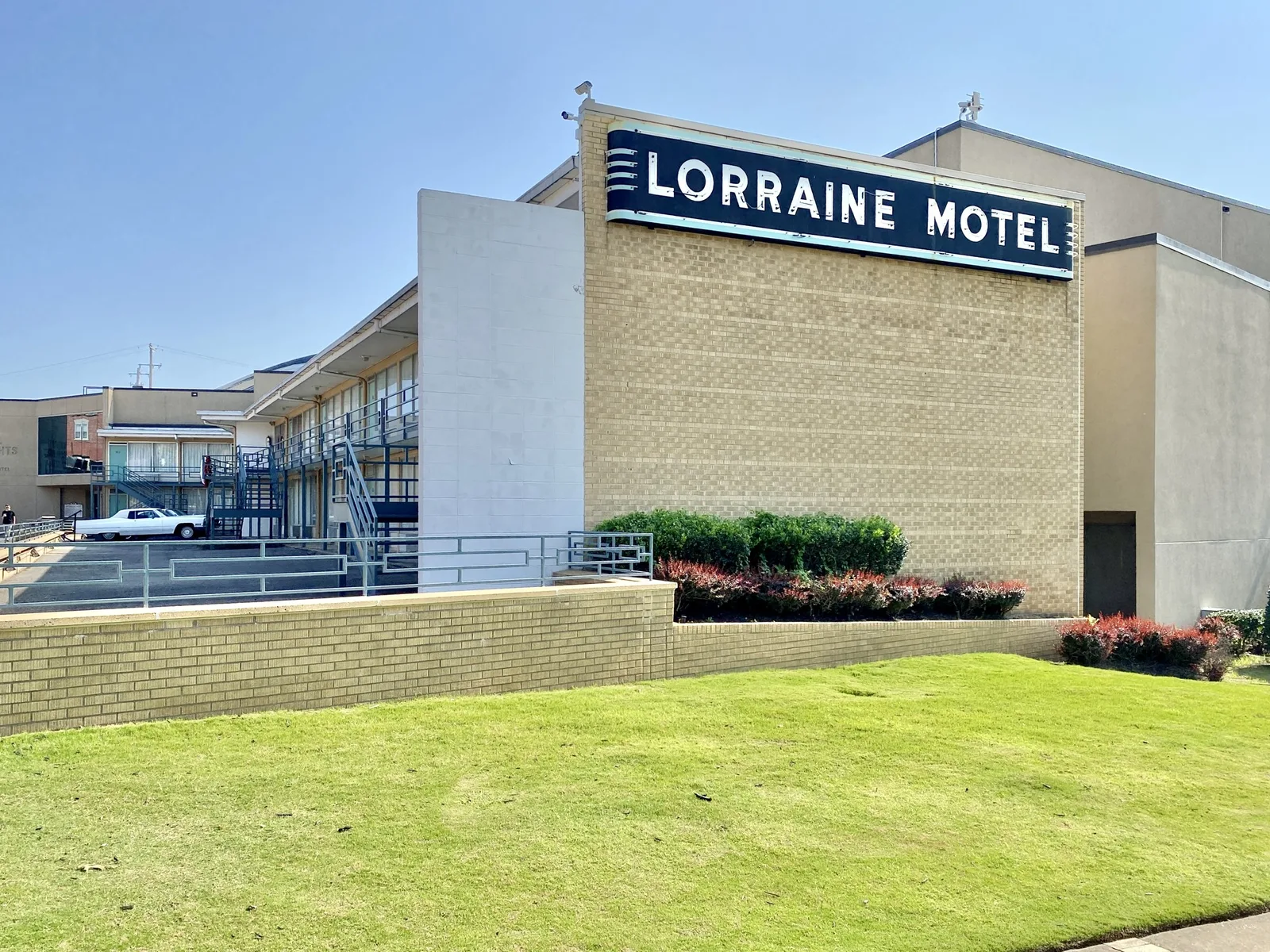
That cultural achievement belongs beside an honest encounter with the struggle for civil rights. The National Civil Rights Museum occupies the Lorraine Motel site where Martin Luther King Jr. was assassinated, but its subject is much broader than a single person or day. Exhibitions follow slavery, segregation, protest and collective action, restoring attention to the many people who made change possible. Give the museum room in the itinerary and room afterward for reflection; it deepens the understanding of the city around it.
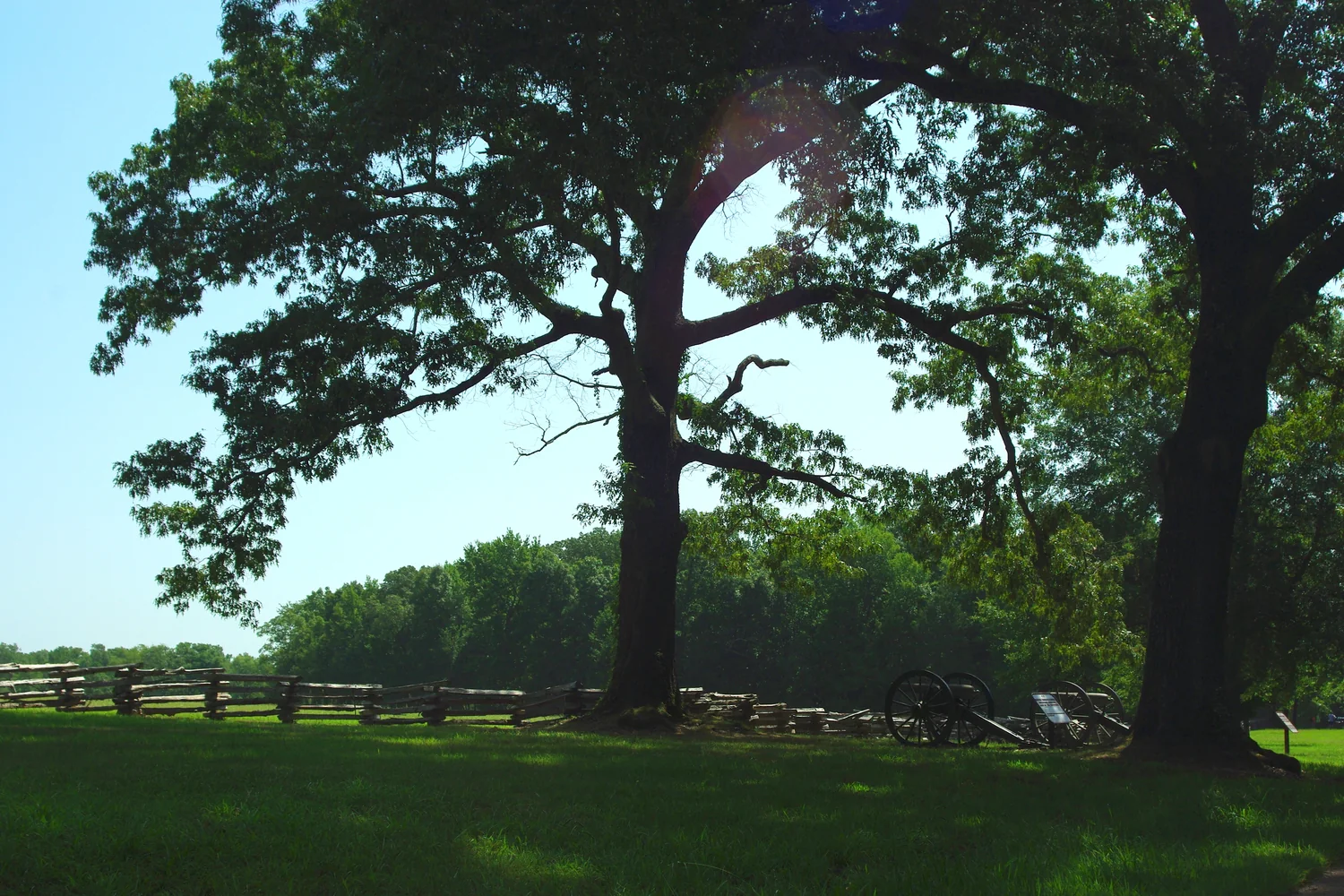
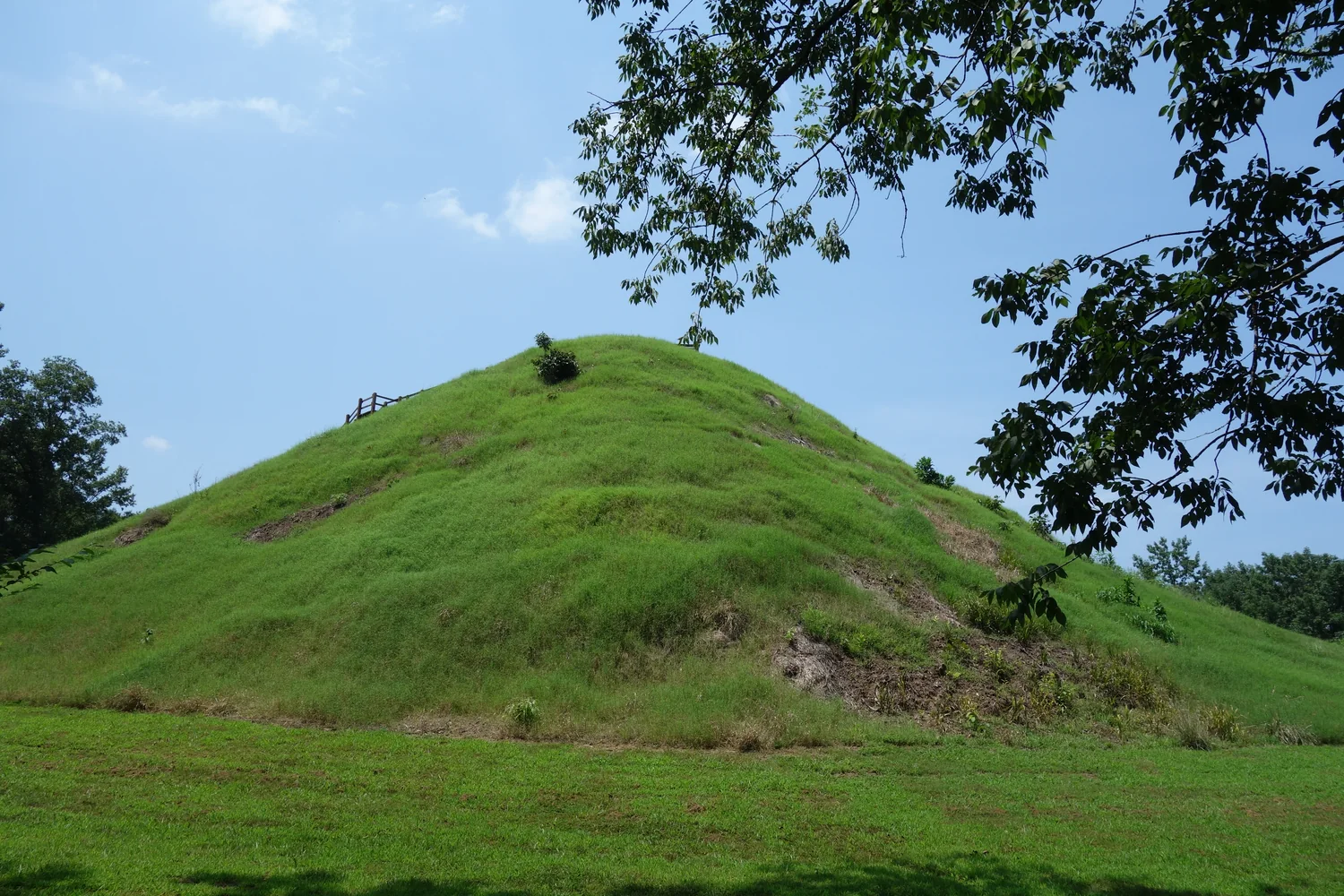
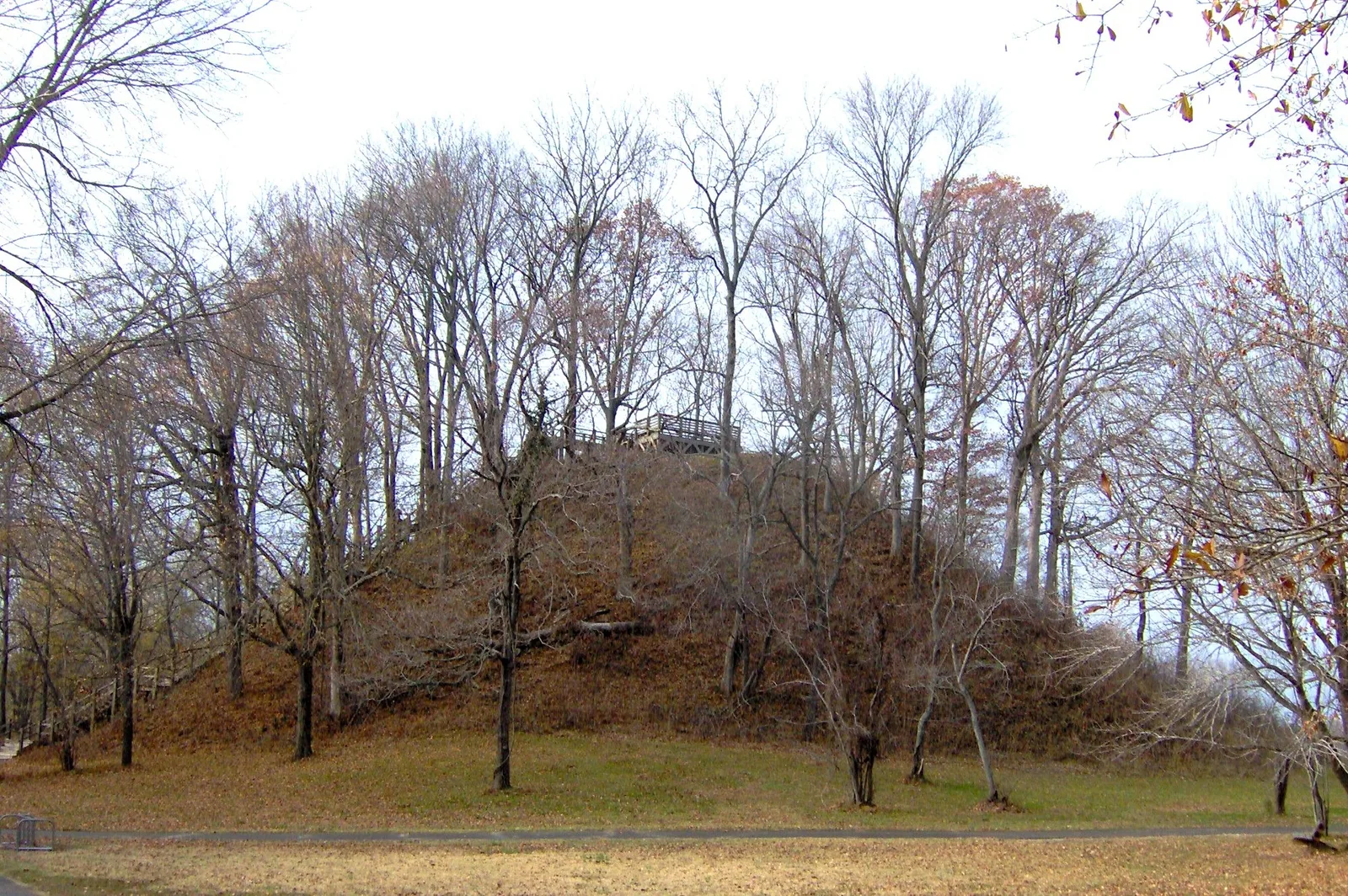
The region's historical depth extends far beyond the twentieth century. At Pinson Mounds, near Jackson, monumental earthworks preserve an important Middle Woodland ceremonial landscape. Their scale rewards walking and careful observation, especially after an introduction in the museum. Shiloh presents another powerful encounter between history and place: fields, woods and river access shaped a major Civil War battlefield. These sites ask different questions of visitors, but both demonstrate that apparently quiet ground can carry stories of national significance.
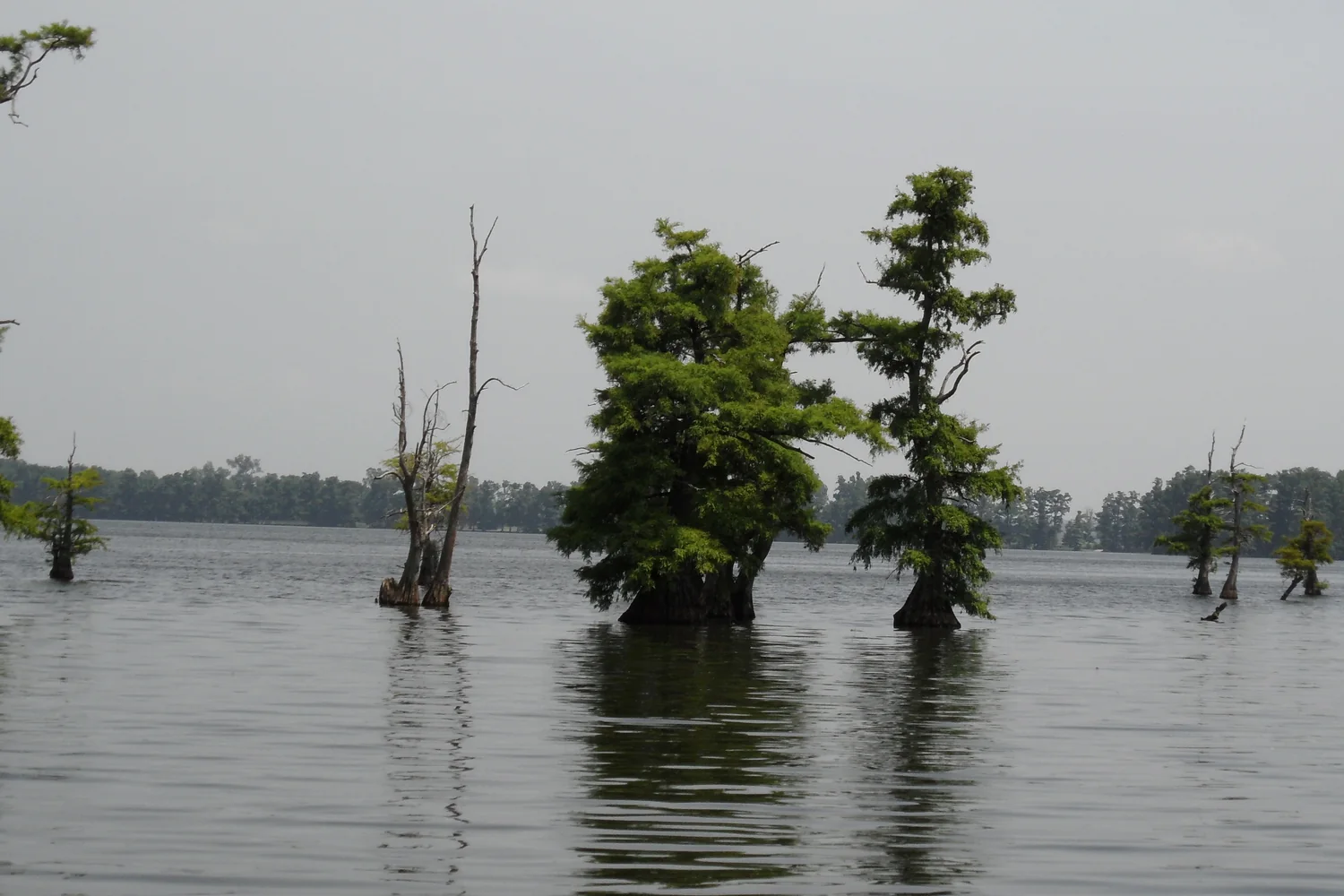
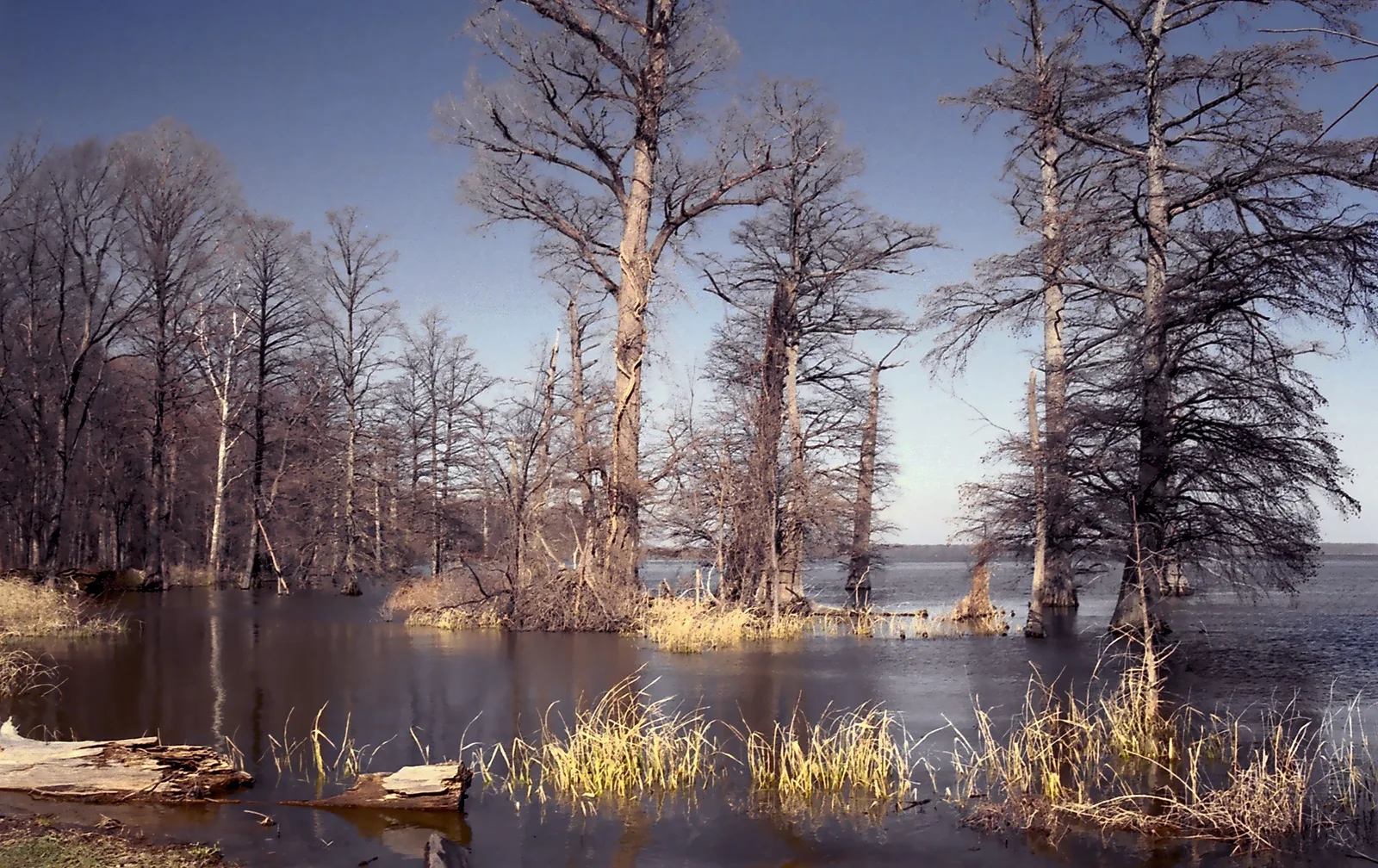
Reelfoot Lake changes the mood again. Created by the New Madrid earthquakes of 1811–1812, it is a landscape of open water, marsh, bottomland forest and cypress, with exceptional value for birds. Wintering bald eagles are part of its appeal, but the larger pleasure is watching how life occupies the water and its edges. The state park's visitor center is a useful introduction before exploring shoreline access points. A slow visit with binoculars suits this corner of Tennessee especially well.
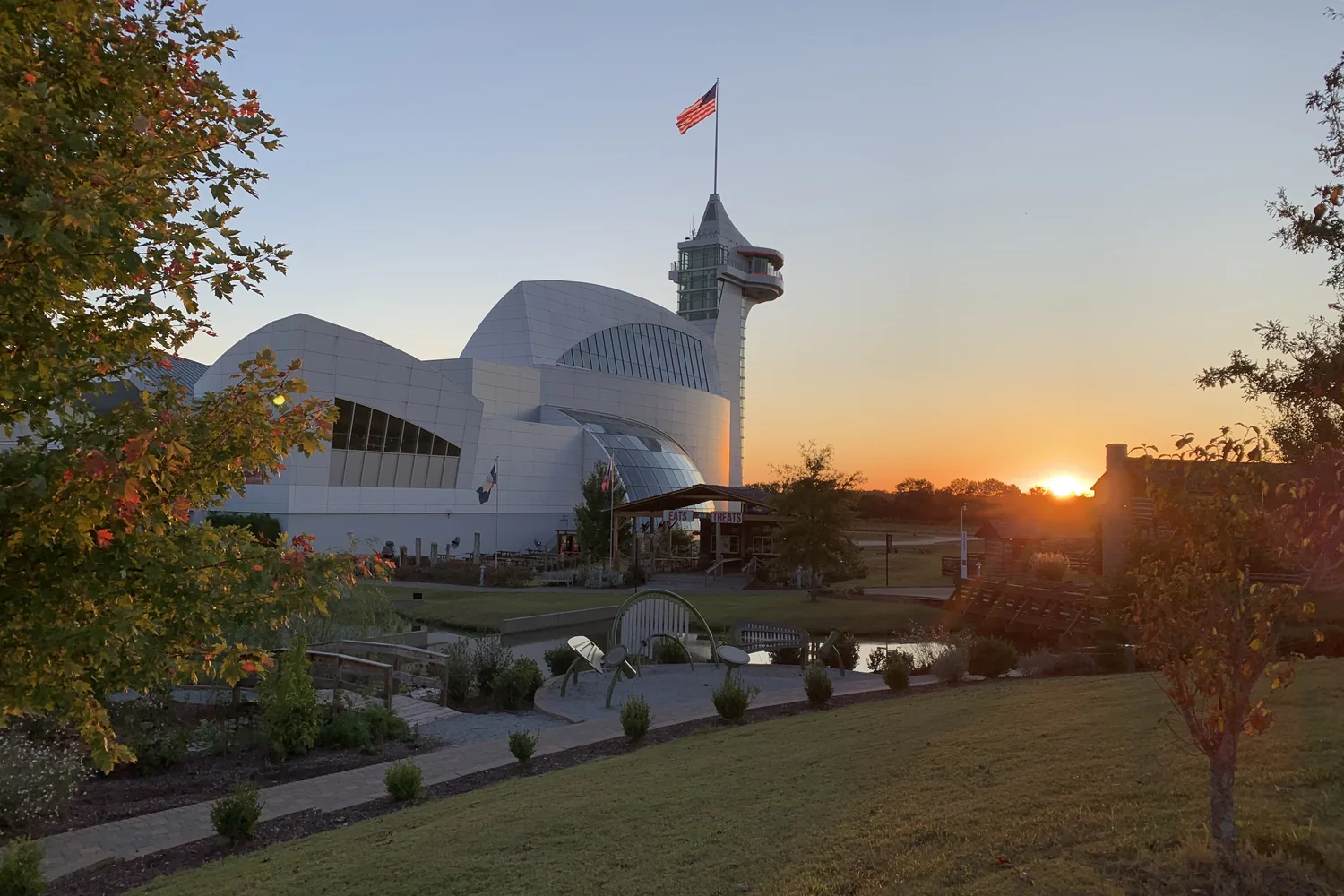
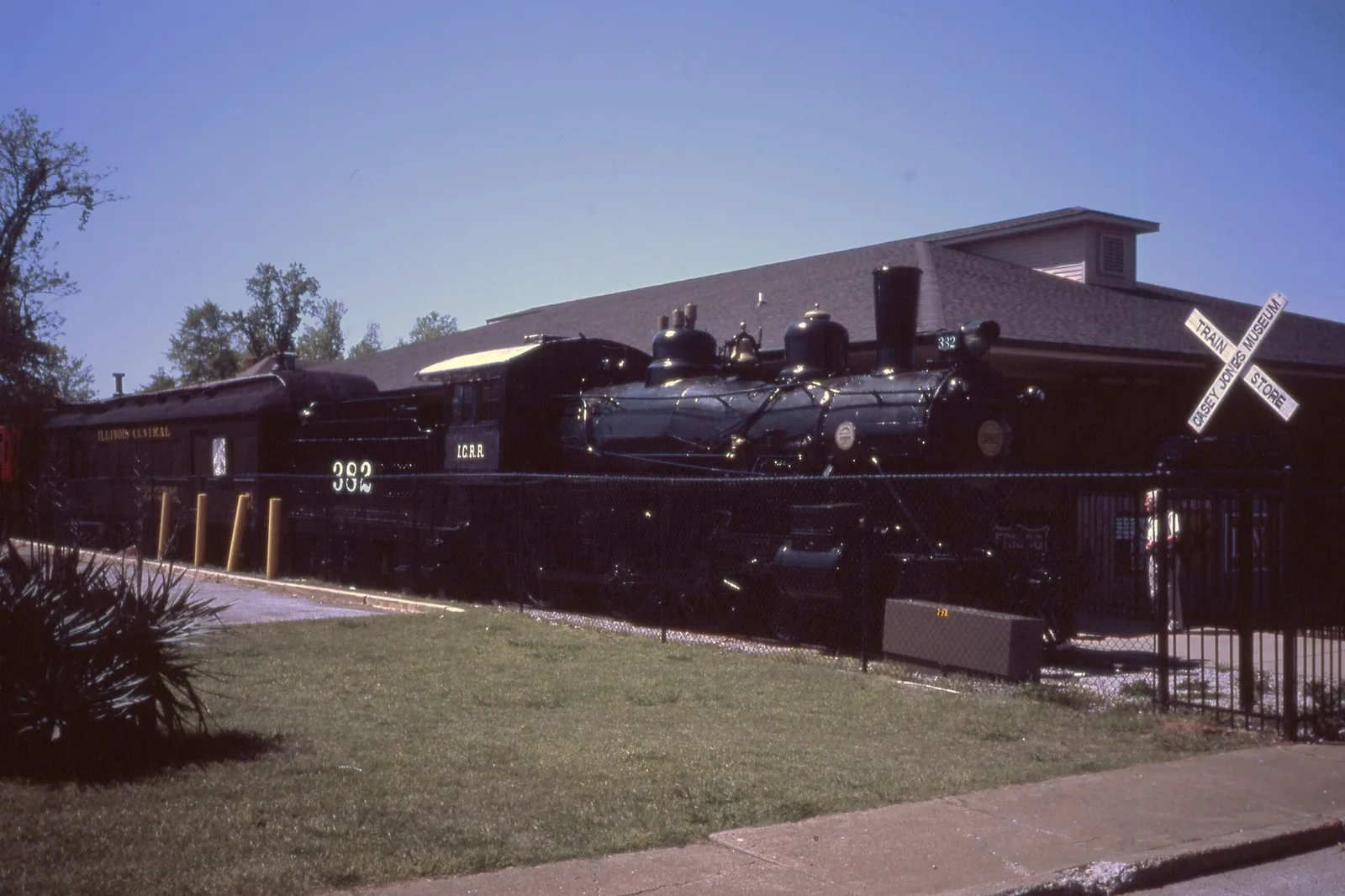
In Jackson, the Casey Jones Home & Railroad Museum connects an enduring railroad legend to the town's own transportation history. Farther northwest in Union City, Discovery Park of America broadens the lens through galleries devoted to science, technology, regional history and more, with an outdoor heritage park adding space to explore. The two stops work particularly well for curious families: one starts with a person and a place, while the other encourages connections across many subjects. Both reward more than a hurried roadside pause.
West Tennessee is best approached as several related journeys. Give Memphis enough time for its music and civil rights landmarks, then build a separate route around Jackson, Brownsville, Reelfoot or the Shiloh area. The distances invite a road trip, while the variety argues against racing through a checklist. A recording room, an earthen mound and a cypress-lined lake may seem unlikely companions, yet together they reveal a region whose influence has always been larger than its place on the map.